Home Services IoT

IoT & Connected Device App Development

IoT solutions with sub-100ms telemetry latency and 100% data accuracy — from smart sensors and connected devices to industrial IoT and LoRaWAN networks. We build end-to-end IoT platforms including embedded firmware, cloud ingestion pipelines, and real-time analytics dashboards.

S
Simran

Technical SEO & AI Strategist

IoT & Connected Device App Development
<100ms
Data Telemetry Latency
100%
Telemetry Accuracy
-20%
Asset Downtime Rate

Our Approach to IoT

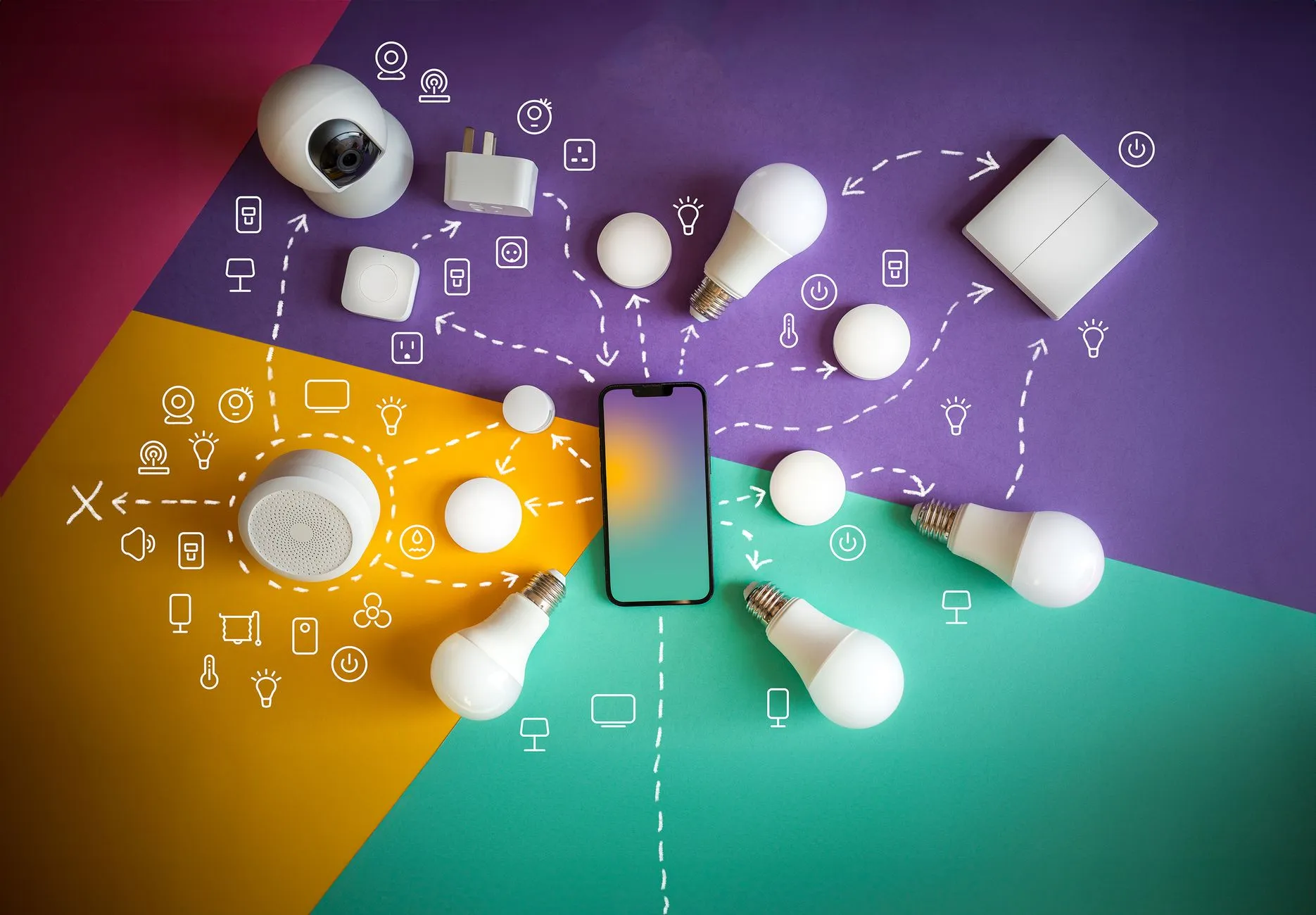
IoT overview

IoT solutions reduce asset downtime by 20% and enable predictive maintenance that saves 30% on operational costs — with sub-100ms telemetry latency. Our IoT development team, based in Hansi Hisar, Haryana, builds end-to-end solutions from embedded firmware and LoRaWAN connectivity to cloud analytics dashboards. According to McKinsey, the IoT market could generate up to $12.5 trillion in economic value globally by 2030, with predictive maintenance, operational efficiency, and supply chain optimisation being the top value drivers across industries.

We work across the full IoT stack — from firmware running on microcontrollers to cloud platforms processing millions of data points. Our typical projects involve sensor deployment, connectivity configuration, data pipeline construction, and dashboard development. We’ve built solutions for smart agriculture, industrial monitoring, asset tracking, and environmental sensing. Statista projects that the number of connected IoT devices worldwide will reach 30.2 billion by 2027, and Gartner forecasts that more than 75% of enterprise-generated data will be created and processed at the edge rather than in centralised cloud environments.

Firmware development is where IoT projects start. We write efficient C/C++ code for microcontrollers (Arduino, ESP32, STM32) that reads sensor data, processes it locally, and transmits it over MQTT or LoRaWAN. Edge processing — analysing data on the device itself — reduces cloud costs and enables real-time decisions even when connectivity is intermittent.

The cloud platform ingests device data, stores it, processes it, and makes it available through APIs and dashboards. We build on AWS IoT or Azure IoT for enterprise-grade deployments, or custom Node.js backends for lighter solutions. Data is stored in time-series databases optimised for IoT workloads and visualised through custom Grafana dashboards.

For Haryana-based businesses — particularly in agriculture, manufacturing, and logistics — IoT offers transformative potential. Smart agriculture sensors optimise irrigation and fertiliser use. Industrial IoT monitors equipment health and predicts maintenance needs. Asset tracking improves logistics efficiency. Our team delivers these solutions at prices suited to the Indian market. According to NASSCOM, India’s IoT market is expected to reach $32 billion by 2027, with agriculture and manufacturing accounting for over 35% of deployments as the government’s Digital India initiative drives sensor-based infrastructure adoption.

Security is a critical consideration in every IoT deployment. Connected devices introduce new attack surfaces that must be protected. We implement device authentication, encrypted communication using TLS, secure boot processes, and regular firmware updates to patch vulnerabilities. Our cloud infrastructure follows AWS IoT or Azure IoT security best practices, including fine-grained access controls, audit logging, and anomaly detection. We ensure your IoT system is secure by design, not as an afterthought. The BCG Institute reports that 68% of organisations deploying IoT solutions cite security as their primary concern, with poorly secured devices involved in 34% of all enterprise security incidents tracked globally.

The real value of IoT lies in the insights derived from collected data. Our analytics layer processes sensor data to identify patterns, anomalies, and optimisation opportunities. A cold storage monitoring system can predict equipment failure days in advance. A smart agriculture deployment can recommend precise irrigation schedules based on soil moisture trends. We build dashboards and alerting systems that surface these insights in an accessible format for your team. According to Deloitte, IoT-enabled predictive maintenance reduces unplanned downtime by 30-50% and cuts maintenance costs by 10-40%, delivering measurable ROI that scales with the number of connected assets in the deployment.

Scalability is built into our architecture from the start. A pilot deployment with ten sensors should be able to grow to thousands without requiring a system rebuild. We use cloud-native services that auto-scale, database schemas designed for high-ingestion workloads, and modular firmware that supports different sensor types. This means your IoT investment grows with your business, handling increased device counts and data volumes without performance degradation.

Connectivity strategy is a crucial decision in any IoT deployment. Different use cases demand different connectivity options — WiFi for indoor, high-bandwidth applications, LoRaWAN for long-range, low-power sensor networks, BLE for short-range device interactions, and cellular for mobile asset tracking. We evaluate your specific requirements — range, power consumption, data volume, cost, and deployment environment — to recommend the optimal connectivity mix. Our experience across multiple connectivity protocols ensures your devices stay reliably connected in the conditions where they will actually operate, whether that is a factory floor, an agricultural field, or a logistics warehouse.

Cost considerations are carefully evaluated in every IoT deployment. Hardware costs, connectivity charges, cloud infrastructure expenses, and ongoing maintenance all factor into the total cost of ownership. We help you make informed decisions — choosing cost-effective sensors that meet accuracy requirements, selecting connectivity plans that match data transmission needs, and optimising cloud resource usage through edge processing and data retention policies. Our goal is to deliver IoT solutions where the business value clearly exceeds the total investment, with realistic ROI projections that account for both implementation and operational costs over the system’s lifetime.

IoT process

Our Process

1

Consultation

Identify IoT opportunities and define technical requirements.

2

Architecture

Design IoT architecture including devices, connectivity, and cloud infrastructure.

3

Development

Build firmware, cloud platform, and user applications.

4

Integration

Integrate devices, sensors, and third-party systems.

5

Deployment

Deploy and monitor your IoT solution in production.

Technical Architecture & Operations

Our IoT architecture follows a three-layer model: device/firmware layer (C/C++ on microcontrollers), connectivity layer (MQTT, LoRaWAN, WiFi, BLE), and cloud platform layer (AWS IoT, Azure IoT, or custom backend). Data flows from sensors through edge processing to cloud analytics.

Edge Processing Architecture

Sensor data is processed at the edge before reaching the cloud, reducing bandwidth costs and enabling real-time decisions. Only aggregated insights and alerts are transmitted when connectivity is limited.

OTA Firmware Update Pipeline

Firmware updates are delivered over-the-air to deployed devices. The pipeline includes staged rollouts, automatic rollback on failure, and signed firmware images for security.

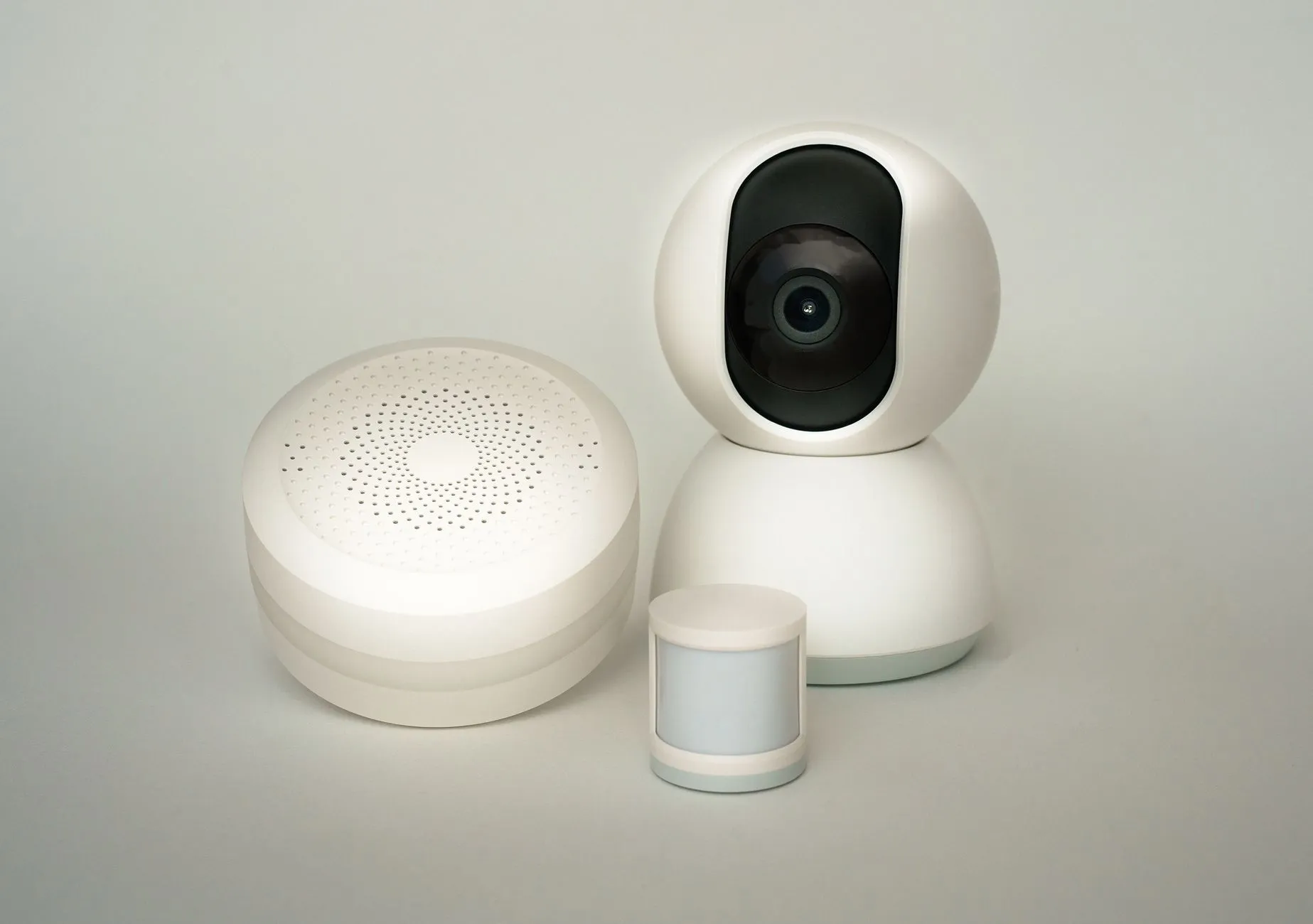
IoT architecture

What You Receive

Every engagement includes structured checkpoints and concrete architectural outcomes

Custom C/C++ embedded firmware files
Scalable cloud data ingestion pipelines
Admin systems telemetry dashboards
Vulnerability hardware security reviews
Physical device installation manuals
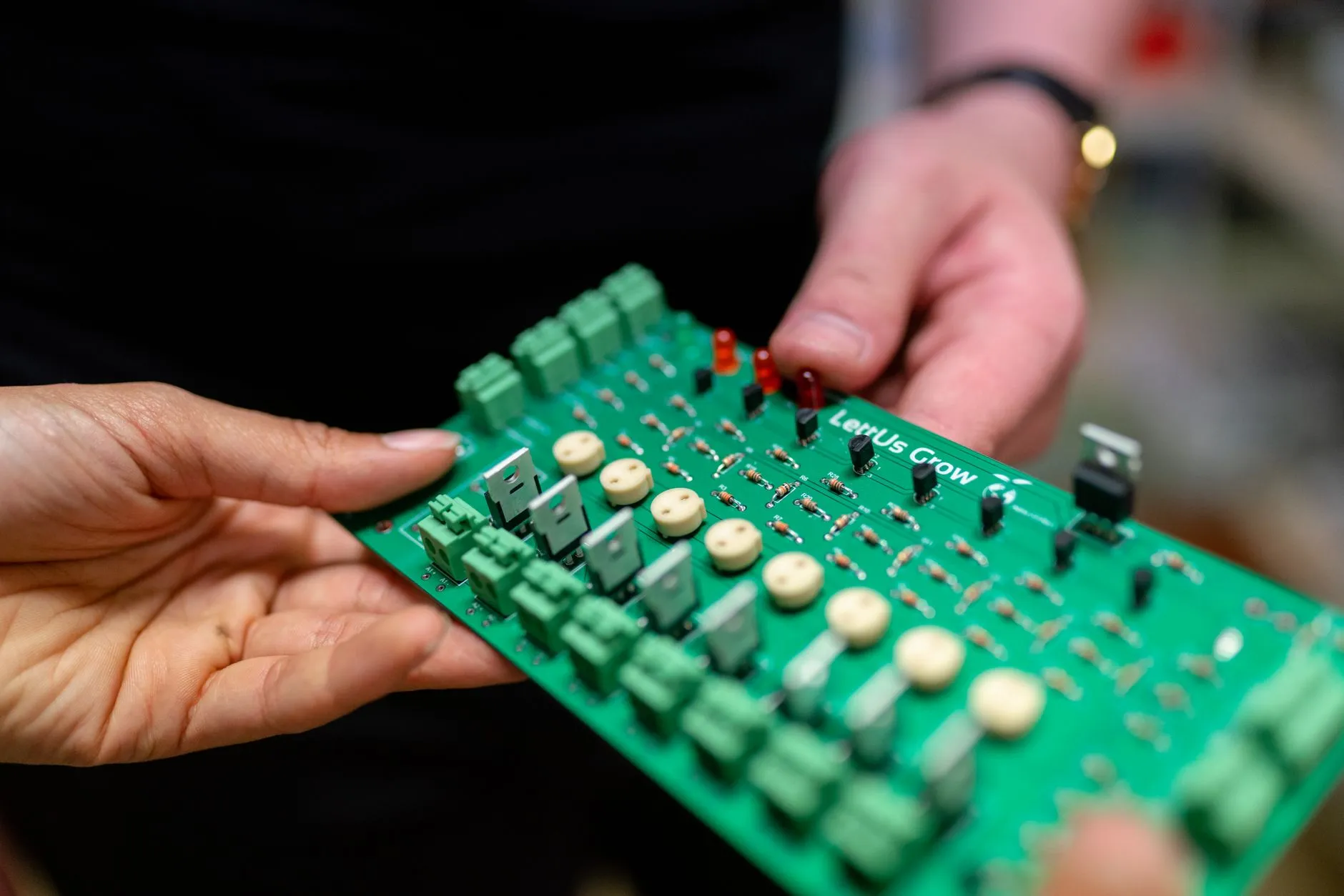
IoT deliverables
IoT showcase
Showcase

Our Work in Action

See how we deliver measurable results through our iot projects. Each engagement follows our proven methodology and quality standards to ensure consistent outcomes for our clients.

Technologies We Use

ArduinoESP32Raspberry PiMQTTAWS IoTAzure IoTNode-REDInfluxDBLoRaWAN

Industries We Serve

Manufacturing Agriculture Healthcare Logistics Energy Smart Cities

SLA Commitments & Quality Benchmarks

IoT systems involve hardware and connectivity dependencies. We provide device health monitoring, connectivity dashboards, and firmware update management for deployed devices.

Device Health Monitoring Dashboard

All deployed devices are monitored for connectivity status, battery level, sensor readings, and firmware version. Alerts are triggered when devices go offline or report abnormal readings.

Firmware Update Management

OTA firmware updates are managed through staged rollouts — test on 5% of devices, monitor for issues, then roll out to remaining devices. Rollback is automatic if issues are detected.

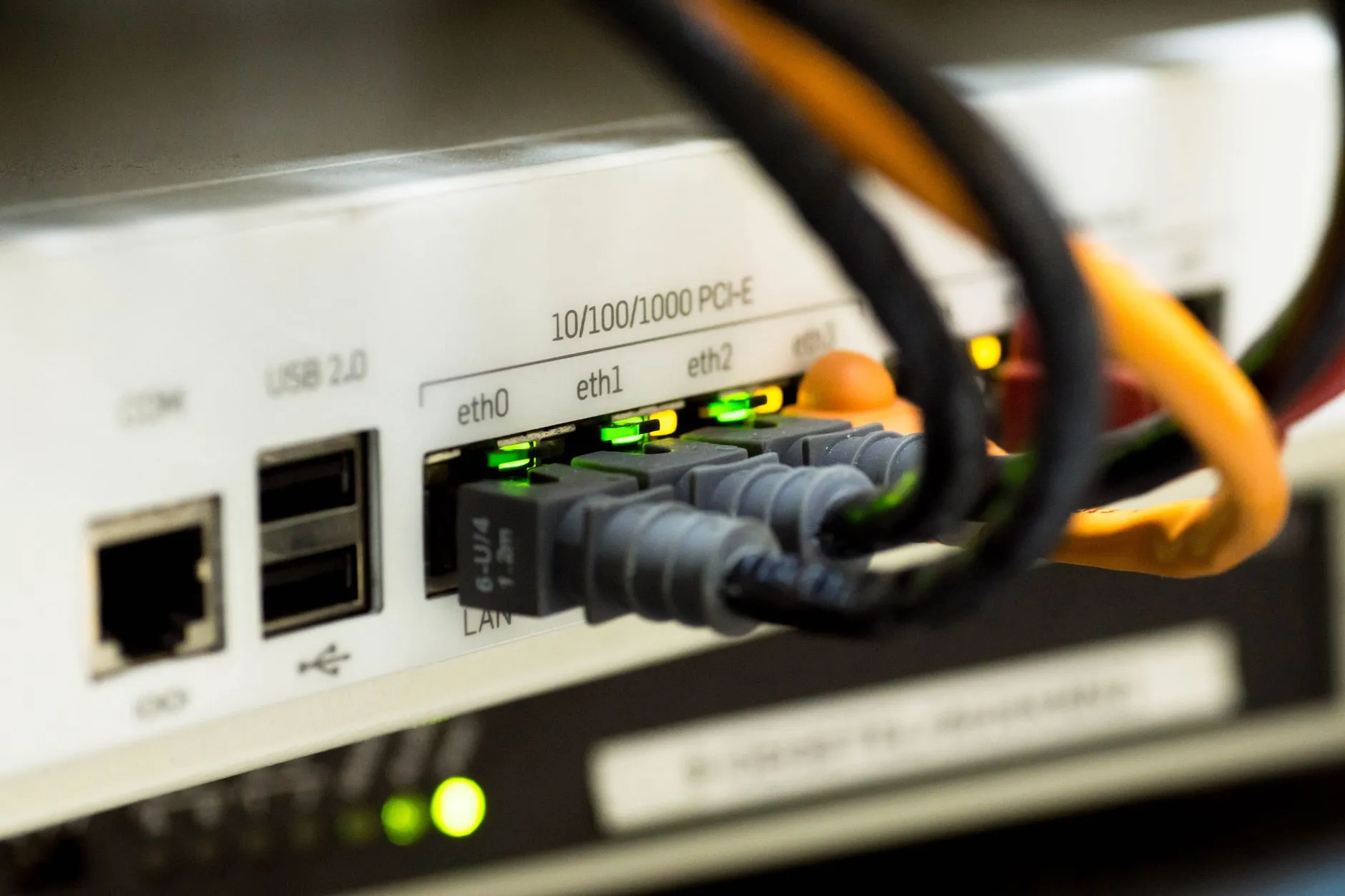
IoT SLA benchmarks

Related Services

Explore complementary services that work alongside our iot offerings.

Ready to Build Your IoT?

Book a session with our engineering team in Hansi Hisar, Haryana. We'll assess your metrics, outline deliverables, and build a free technical implementation plan.

"DigiHaryana's structured delivery process eliminated the guesswork from our digital transformation. Their sprint-based approach kept us aligned from strategy to deployment." — Rohan Mehta, CTO, Lumina Tech

No commitment. No spam. We'll respond within 24 hours.

Frequently Asked Questions

What is IoT?
IoT (Internet of Things) refers to a network of physical devices connected to the internet that collect and exchange data.
Do you develop custom IoT platforms?
Yes, we build custom IoT platforms for device management, data collection, analytics, and automation.
What is industrial IoT (IIoT)?
IIoT applies IoT technology to industrial settings like manufacturing plants for predictive maintenance, quality control, and process optimisation.
Do you integrate with existing systems?
Yes, we integrate IoT solutions with your existing ERP, CRM, and analytics systems.
What types of IoT devices do you work with?
We work with Arduino, ESP32, Raspberry Pi, industrial sensors, smart meters, GPS trackers, and custom embedded systems.
How do you handle IoT data processing?
We build edge computing solutions for local processing and cloud pipelines for large-scale data storage, analysis, and visualisation.
What connectivity protocols do you use?
We use MQTT, HTTP/HTTPS, CoAP, LoRaWAN, Zigbee, BLE, and cellular (4G/5G) depending on device requirements and range.
How do you ensure IoT device security?
We implement device authentication, encrypted communication, secure boot, firmware signing, and over-the-air update mechanisms.
WhatsApp