The State of IT Services in India 2026
An overview of the IT services landscape in India for 2026, including market trends, emerging technologies, challenges, and opportunities for businesses.
India’s IT services industry in 2026 is undergoing its most significant transformation since the Y2K boom. Valued at over ₹20 lakh crore, the sector is shifting from traditional outsourcing to AI-driven services, product engineering, and digital transformation consulting. Here is a comprehensive look at where the industry stands.
Market Overview and Growth Drivers
The Indian IT services market continues to grow at 8-10% annually, driven by global demand for digital transformation, cloud migration, and AI implementation. Tier-2 cities like Pune, Ahmedabad, Coimbatore, and Indore are emerging as significant tech hubs as companies embrace hybrid work models and seek cost advantages over Bengaluru and Hyderabad.
Government initiatives like the Production Linked Incentive (PLI) scheme for IT hardware and the National Quantum Mission are creating new opportunities. The push for “Digital India” continues to generate domestic demand for IT services across healthcare, education, agriculture, and financial services.
Emerging Technology Trends
AI and Machine Learning services account for the fastest-growing segment, with Indian firms building LLM-based applications, computer vision solutions, and predictive analytics platforms. The availability of open-source models and affordable GPU compute has democratized AI development.
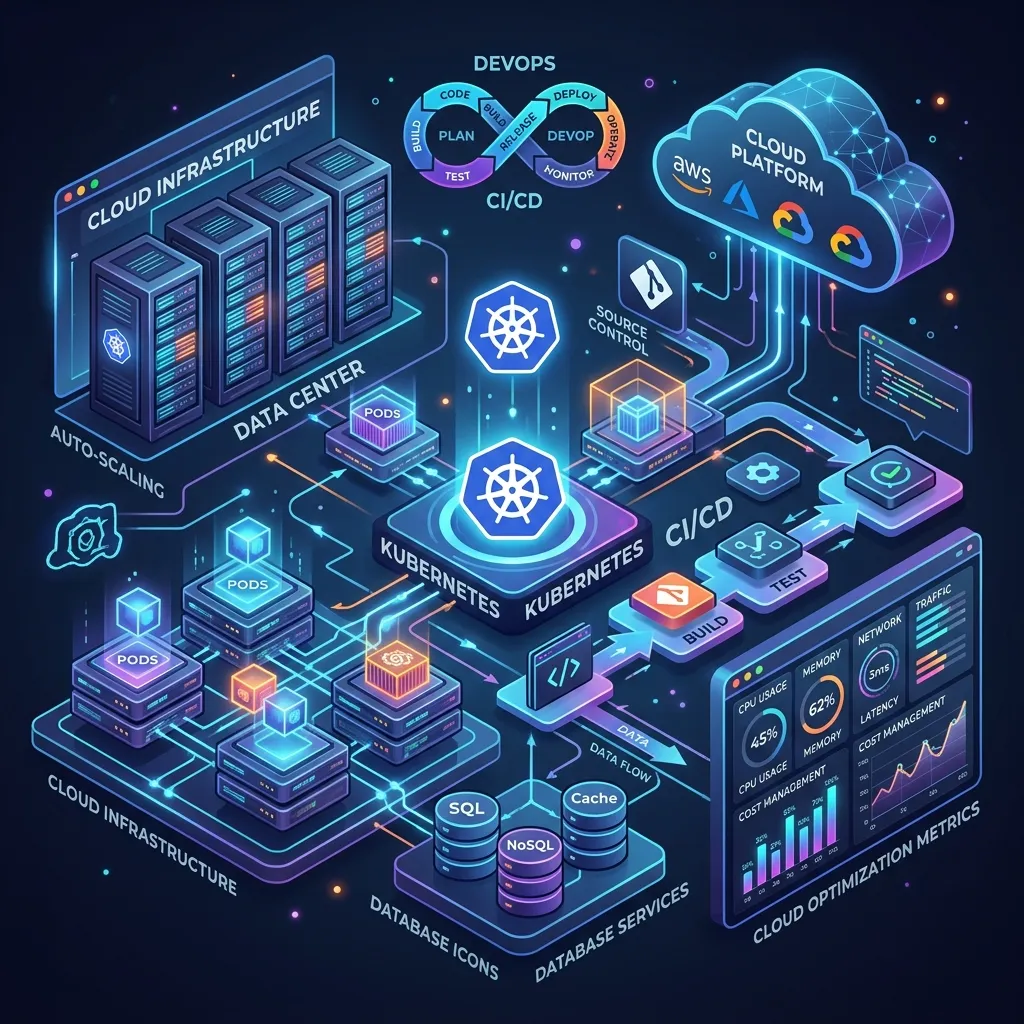
Cloud services remain a major growth area. Indian enterprises are accelerating cloud adoption, with hybrid and multi-cloud strategies becoming the norm. Demand for cloud architects, DevOps engineers, and FinOps specialists exceeds supply.
Cybersecurity services are booming as digital threats increase. Indian businesses are investing in security operations centers, vulnerability management, and compliance consulting. The data protection law (DPDPA) is driving demand for privacy and governance services.
Product engineering is overtaking traditional bodyshore models. Indian firms are building SaaS products, mobile applications, and IoT platforms for global markets, moving up the value chain from staff augmentation to intellectual property creation.
Challenges Facing the Industry
Talent shortage for emerging technologies remains acute. While India produces millions of engineering graduates annually, the gap between academic training and industry requirements persists. Companies are investing heavily in internal training programs and partnerships with edtech platforms.
Global economic uncertainty affects IT spending. US and European clients are tightening budgets, demanding faster time-to-value, and preferring fixed-price outcome-based engagements over traditional time-and-material models.
AI disruption is a double-edged sword. While AI creates new service opportunities, it also automates traditional outsourcing work like basic coding, testing, and support. Indian IT firms must upskill their workforce or risk obsolescence.
Opportunities for Businesses
For Indian businesses seeking IT services, 2026 offers unprecedented options. Boutique firms specializing in AI, blockchain, or cybersecurity provide deep expertise. Traditional IT services companies offer end-to-end digital transformation. The key is choosing partners with relevant domain experience and a track record of delivery.
Small and medium businesses benefit most from the current market. Competition among IT service providers means better pricing, flexible engagement models, and access to enterprise-grade technology solutions previously available only to large corporations.
The Road Ahead
India’s IT services industry is at an inflection point. The firms that invest in AI capabilities, build intellectual property, and develop deep domain expertise will thrive. The traditional model of providing low-cost talent is giving way to a new model of providing high-value, technology-led solutions. For Indian businesses, this means better technology partners and more innovative solutions than ever before.
Need expert help? Learn how our IT consulting services can help you achieve better results.
Indian IT Services Industry at a Glance (2026)
Key metrics and trends shaping the sector.
| Metric | Value | YoY Change |
|---|---|---|
| Industry valuation | ₹20+ lakh crore | +8-10% |
| AI services growth | Fastest segment | +35% |
| Cloud services demand | Major growth area | +22% |
| Cybersecurity spending | Rapidly expanding | +28% |
| Tier-2 city tech hubs | Pune, Ahmedabad, Indore, Coimbatore | +15% hiring |
| Engineering graduate gap | Skill mismatch | 60% need upskilling |
| Global IT spending growth | US/EU markets | +4-6% |
| Remote workforce | Hybrid model | 40% of IT workforce |
Top IT Service Categories by Demand (2026)
| Rank | Category | Growth Driver |
|---|---|---|
| 1 | AI & ML Services | LLM applications, computer vision, predictive analytics |
| 2 | Cloud Architecture | Hybrid/multi-cloud migration, FinOps, DevOps |
| 3 | Cybersecurity | DPDPA compliance, SOC operations, zero-trust implementation |
| 4 | Product Engineering | SaaS platforms, mobile apps, IoT solutions |
| 5 | Digital Transformation Consulting | End-to-end business process modernization |
Emerging Technology Adoption Rate
- AI/ML: 72% of Indian IT firms actively deploying (up from 45% in 2024)
- Cloud-native: 68% adoption across mid-to-large enterprises
- DevOps/SRE: 55% implementation rate (up from 38% in 2024)
- Cybersecurity frameworks: 48% have formal security programs
- Blockchain/Web3: 12% experimental adoption
Related Articles

The State of IT in Haryana 2026: Digital Transformation Across the State
A comprehensive analysis of Haryana's IT landscape in 2026 — covering the Gurugram startup ecosystem, Hisar's growing tech scene, Chandigarh IT Park expansion, government initiatives, and digital adoption across Haryana's 22 districts.
How to Choose an IT Services Partner in India: Complete Guide
A comprehensive guide for Indian businesses on selecting the right IT services partner — covering evaluation criteria, budgeting, geography considerations, and red flags to avoid.
Digital Transformation Roadmap for Haryana Businesses 2026-2027
A practical, phased roadmap for businesses in Hisar and across Haryana to implement digital transformation — covering assessment, technology adoption, team readiness, and measurable outcomes.
Get Professional IT Consulting Services
Reduce IT spend waste by 25% — vendor-neutral strategy, digital transformation, and 3-5 year technology roadmaps.
